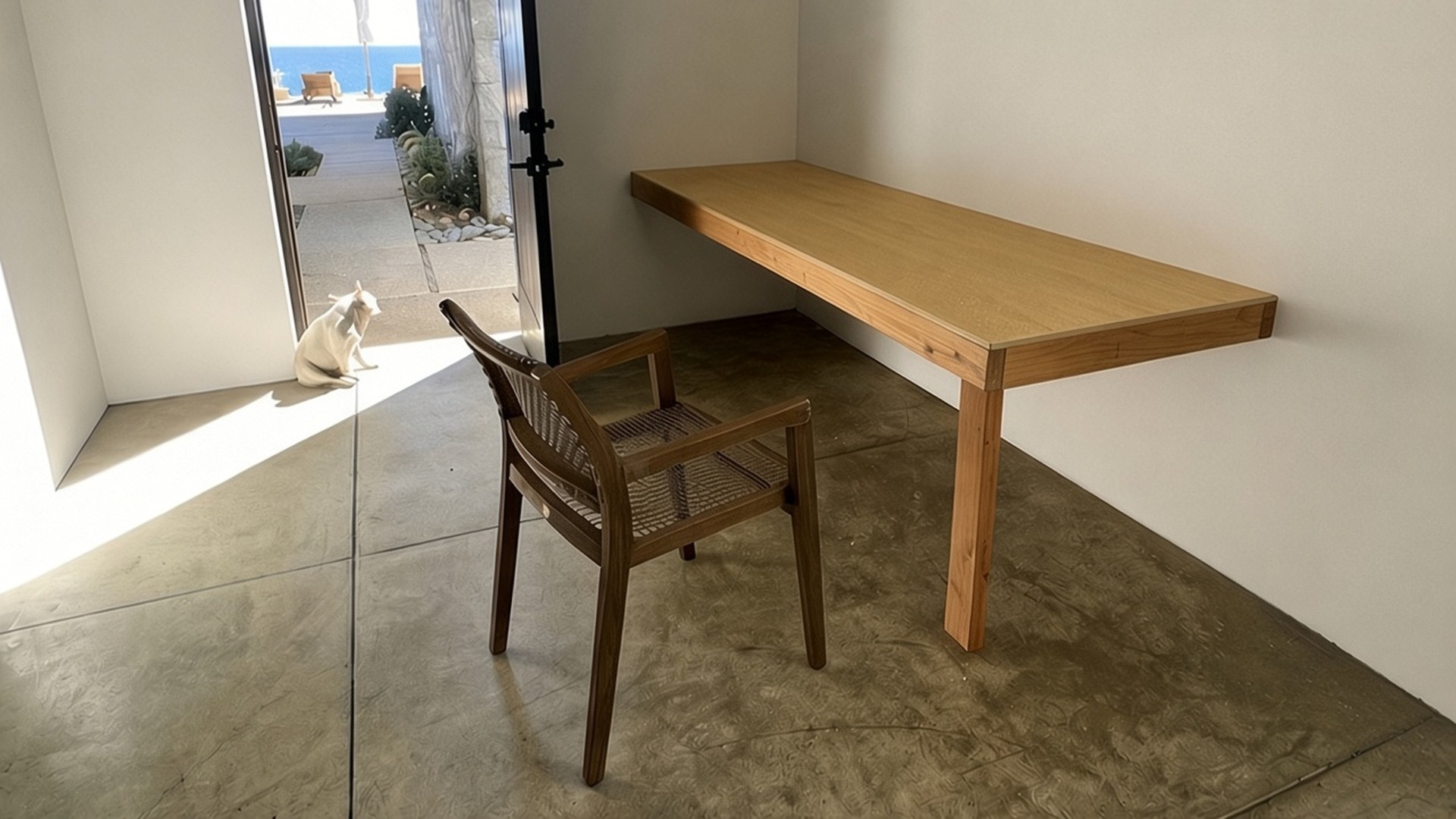
Picture a couple at a kitchen table. He is 67. She is 64. The plan in front of them has two names on it, two Social Security estimates, and a projection that runs to age 95.
Every line assumes two people. Two incomes, one house, one set of bills. The plan ends the way it began, with both of them in it.
That is the most common assumption in retirement planning. For most married women, it is wrong.
I wrote recently about how men and women do not run out of the same thing in retirement. This is the chapter that comes after. It starts the day the household of two becomes a household of one.
The numbers split at 65
Start with the Census numbers. About 70% of men 65 and older are married. Fewer than half of women that age are.
Women 65 and older are almost three times as likely as men to be widowed. Close to three in ten are. Among men, it is about one in ten.
The reason is not complicated. Women live longer. According to the CDC, a woman who reaches 65 can expect about 21 more years. A man can expect about 18.
Put those facts together and you get a sentence most couples never say out loud. Most men grow old married. Most women don't.
The plan at the kitchen table covers the years they share. The years she may live alone are not in it.
One check, same house
Here is what changes when one spouse dies.
The income drops. If both spouses collect Social Security, the survivor keeps the larger of the two checks. The other one stops. Social Security is clear about it: the payments are not added together.
A pension may shrink or stop, depending on a survivor election made years before anyone needed it. Most people make that choice once, in a few minutes, and never look at it again.
The taxes change. In the year a spouse dies, the survivor can still file a joint return. After that, a widow with no dependent children files as single. The brackets narrow. Much of the income does not, because the retirement accounts usually pass to her, and so do the required withdrawals.
And most of the costs stay. The house still needs a roof. The property tax bill does not care how many people live in the house. Insurance, utilities, the car, and the help she may need with things he used to handle all keep coming.
A smaller income, a bigger tax bite, and most of the same bills. That is the retirement nobody planned.
Two plans, not one
A couple's retirement plan is really two plans.
The first covers the years they share. The industry is good at that one. When to claim, how much to withdraw, how to invest. All of it is built for a household of two.
The second covers the years after one of them is gone. For most couples, that plan belongs to her. It may last five years. It may last fifteen. It usually gets one line in the projection, if it gets any.
No one decided to leave it out. The tools were built around the household, and the household was assumed to stay whole. That is the default. What arrived by default can be replaced by design.
Designing the second plan means asking different questions. Which Social Security check is the one that survives, and does the way we claim make it larger? Does the pension carry a survivor benefit, and what does it cost? Can one person afford this house? Who manages the accounts, and does the other person know where everything is?
None of these are hard questions. They are uncomfortable ones. That is why they get skipped.
The empty chair review
Here is an exercise any financial advisor can run at the next client meeting. Any couple can run it at the kitchen table.
Run the plan twice. The first time, take him out of it at 80. The second time, take her out at 80. Same assets, same house, same spending, one person.
Compare the two versions on income, taxes, and housing. One of them will break first. That is the one to fix.
Then ask the spouse more likely to be the survivor one question. What does a Tuesday look like for you at 85?
Where does she live? Who does she call when the furnace quits? Who handles the money? The answers show where the plan needs work. They show it while both people are still at the table to fix it.
Same woman, two plans
Picture her at 82. Same woman, same savings, same house.
In the first version, the plan was written for two people. When he died, her income fell and her taxes rose. The decisions that shaped her finances were made years earlier, without her chapter in mind. She spends her eighties wondering whether the money will hold.
In the second version, they ran the empty chair review at 67. They claimed Social Security with the survivor in mind. They chose the pension option on purpose. They decided about the house while they could still decide together. She knows what comes in each month and what goes out.
Longevity is not the problem. Unprepared longevity is. Most married women will live the last chapter of a couple's retirement on their own. Plan that chapter now, while both of you are still at the table.
Sources
- Marital Status Distribution of U.S. Adults Aged 65 and Older, 1990-2022 (NCFMR, Bowling Green State University): https://www.bgsu.edu/ncfmr/resources/data/family-profiles/marital-status-distribution-of-u-s--adults-aged-65-and-older--19.html
- CDC, Mortality in the United States, 2024: https://www.cdc.gov/nchs/data/databriefs/db548.pdf
- Social Security Administration, Survivor benefits: https://www.ssa.gov/benefits/survivors/
- IRS Publication 501, Dependents, Standard Deduction, and Filing Information: https://www.irs.gov/publications/p501